Updated Oct 9, 2026
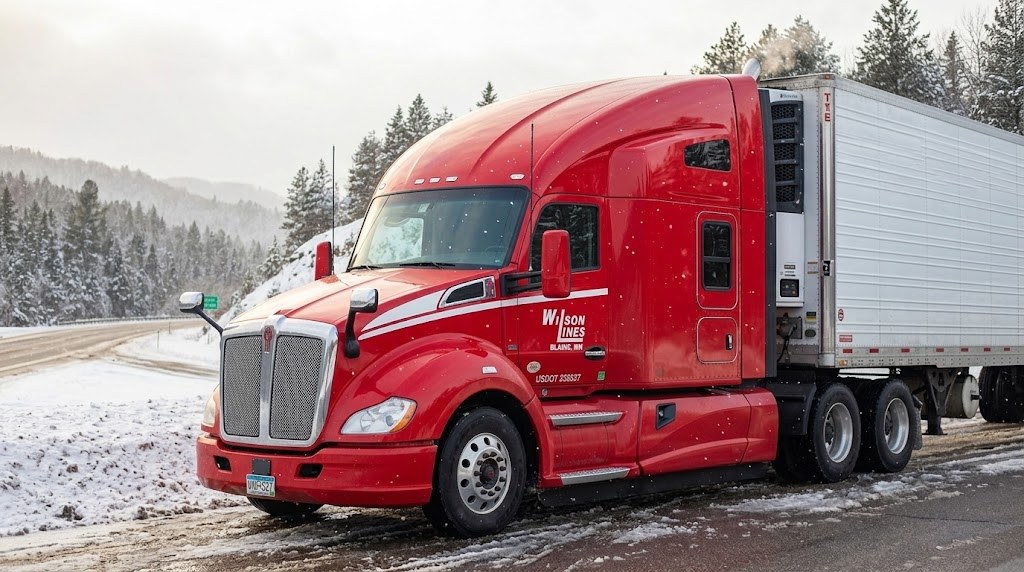
As temperatures drop and early winter weather sweeps across the Midwest and upper corridors, driving conditions can transform in a matter of miles. Operating temperature-controlled units across the 48 states requires heightened vigilance—not just for cargo integrity and tractor performance, but for your health, comfort, and safety inside the cab.
Before hitting snow-slicked stretches of interstate this season, review these essential pre-trip checks and lifestyle practices to stay warm, healthy, and running safe.
Cold weather tests diesel engines and exhaust systems. Taking preventative steps at the pump prevents costly roadside delays when the thermometer drops:
Anti-Gel Additives: Treat fuel tanks before filling up in sub-freezing zones to keep paraffin wax from clogging your fuel filters.
DEF Care: Diesel Exhaust Fluid freezes around 12°F (-11°C). Keep DEF tanks properly filled so heating elements work efficiently, but avoid overfilling to allow room for expansion.
Water Separator Drain: Discharge water from the fuel/water separator daily. Trapped moisture quickly turns to ice, blocking fuel delivery entirely.
Air Lines & Brakes: Drain air tanks daily to clear condensation before moisture freezes brake shoes or locks up trailer axles.
2. Reefer Unit Temperature Management
Transporting temperature-sensitive freight through sub-zero ambient conditions requires constant monitoring:
Pre-Condition Trailers: Always pre-cool or pre-heat trailer interiors to specified setpoints before loading cargo.
Battery & Belt Voltage: Cold snaps drain battery capacity rapidly. Inspect reefer starter batteries, alternator belts, and door seals before taking off on multi-day runs.
3. Cab Comfort & Auxiliary Heater Safety
When you pull over for your 10-hour rest break in freezing conditions, keeping your living space warm safely is critical:
APU & Bunk Heater Maintenance: Test your Auxiliary Power Unit (APU) or diesel bunk heater before heading into cold regions. Clean air intakes, replace fuel filters, and clear external exhaust ports of snow or ice buildup.
Carbon Monoxide (CO) Awareness: Never rely on an idling engine with a damaged exhaust pipe or blocked underside, as deadly fumes can drift into the cab. Ensure your cab’s carbon monoxide detector has fresh batteries and test it regularly.
Backup Heating Gear: Mechanical systems can fail. Always carry a rated sub-zero sleeping bag, thermal heavy blankets, extra wool socks, and dry layers in case of a breakdown in remote areas.
4. Driver Wellness and On-the-Road Health
Staying sharp behind the wheel starts with taking care of your body during long, cold stretches:
Hydration: Cold, dry air tricks the body into feeling less thirsty, leading to dehydration, fatigue, and reduced alertness. Keep fresh water in the cab and sip steadily throughout your shift.
Nutritious Meals: Cold weather causes your body to burn more calories trying to maintain core temperature. Choose protein-rich, hearty meals and limit excessive sugary snacks or caffeine spikes that cause energy crashes.
Cab Air Quality: Running bunk heaters continuously dries out nasal passages, making you more susceptible to winter bugs. Crack a vent briefly when parked to refresh cab air, or use a saline spray to prevent dryness.
Footwear & Movement: Keep an extra pair of dry, insulated boots in the cab. When stopping at fuel islands or rest areas, do a quick walking lap to boost blood circulation in your legs and core.
Safety First, Schedule Second
No load is worth risking your life, health, or equipment. If winter road conditions deteriorate or visibility drops, communicate immediately with dispatch, pull into a safe staging area, and wait out the storm.
Have winter driving tips or cold-weather stories from your recent runs? Share them with the fleet team or drop a line to dispatch!
Wilson LinesBack to all news